The Island of Eternal Sunshine
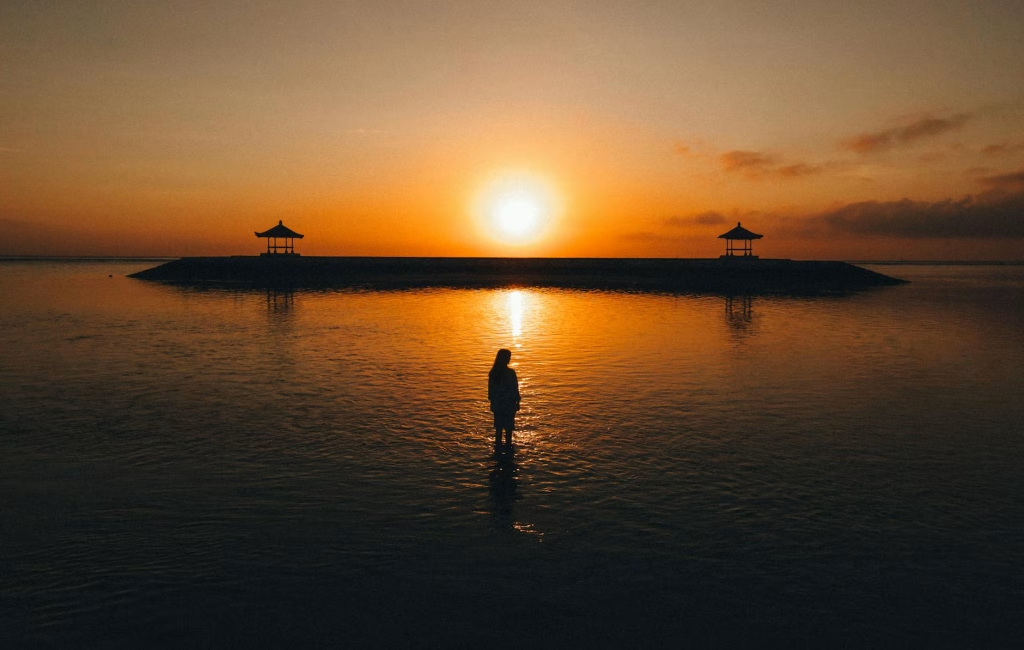
I still remember the first time I stepped off the plane in Bali. It was May 2009, and I was immediately struck by the warm, golden light that seemed to seep into every pore of my skin. As I made my way to my new home in Canggu, the palm trees swaying in the breeze, I knew I was in for an adventure. And what an adventure it was. Over the years, I’ve learned to navigate the island’s unpredictable weather, and I’m here to share my secrets with you.
The Monsoon Months: A Time for Reflection
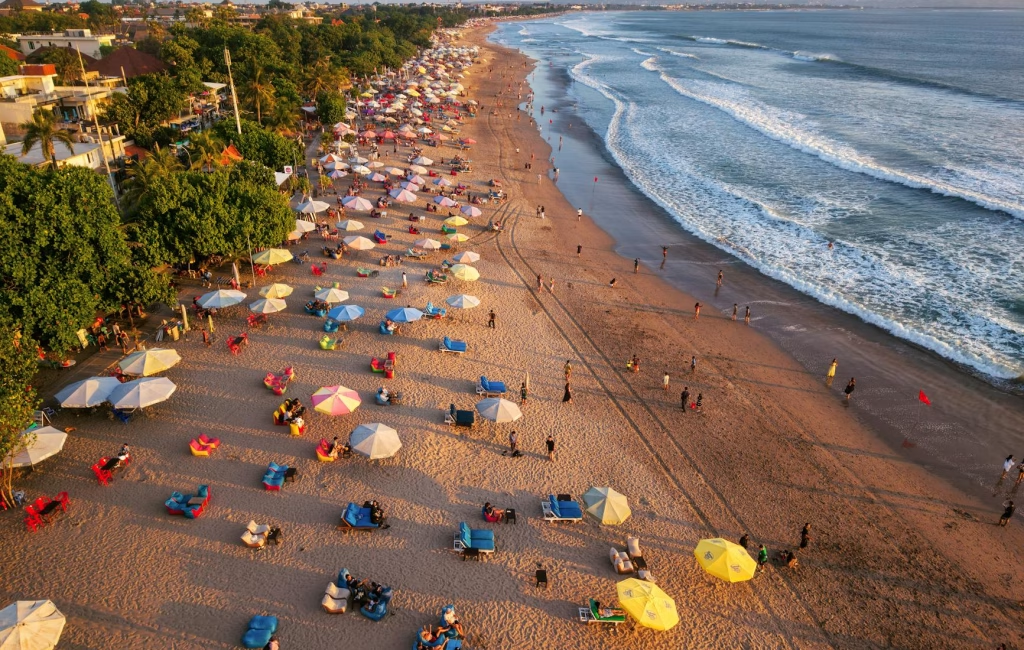
December to March is the peak tourist season in Bali, and for good reason. The weather is warm and sunny, with average highs of 28°C (82°F). But it’s also the wettest time of the year, with the majority of the island’s annual rainfall occurring during these months. I’ve seen the streets of Kuta and Seminyak flood during this time, and trust me, it’s not a pretty sight. But it’s also a time for reflection, as the island takes a breather from the hustle and bustle of the tourist season.
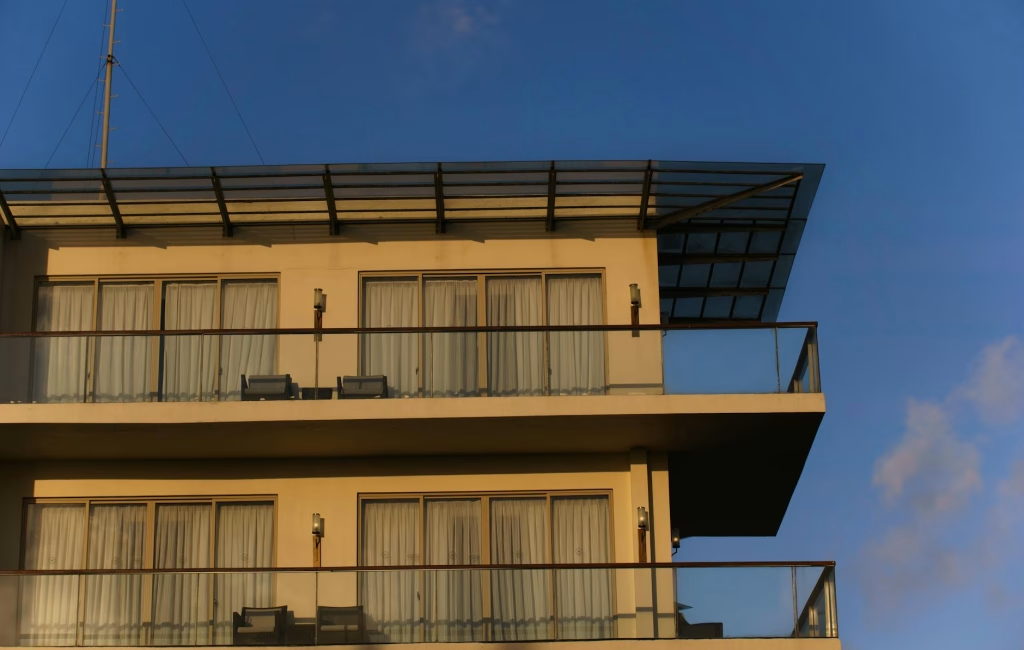
That being said, the wet season has its perks. The lush green landscapes, the sound of rain pounding against the roof of your villa, the smell of wet earth and fresh cut grass… it’s a sensory experience like no other. And let’s not forget the prices – accommodation rates drop significantly during the wet season, making it the perfect time to splurge on that villa you’ve always wanted.
The Dry Season: A Time for Exploration
April to November is the dry season in Bali, and it’s the perfect time to explore the island. The weather is warm and sunny, with average highs of 29°C (84°F). The skies are clear, and the landscapes are dry and brown, making it the perfect time for hiking and exploring the island’s many temples and ruins.
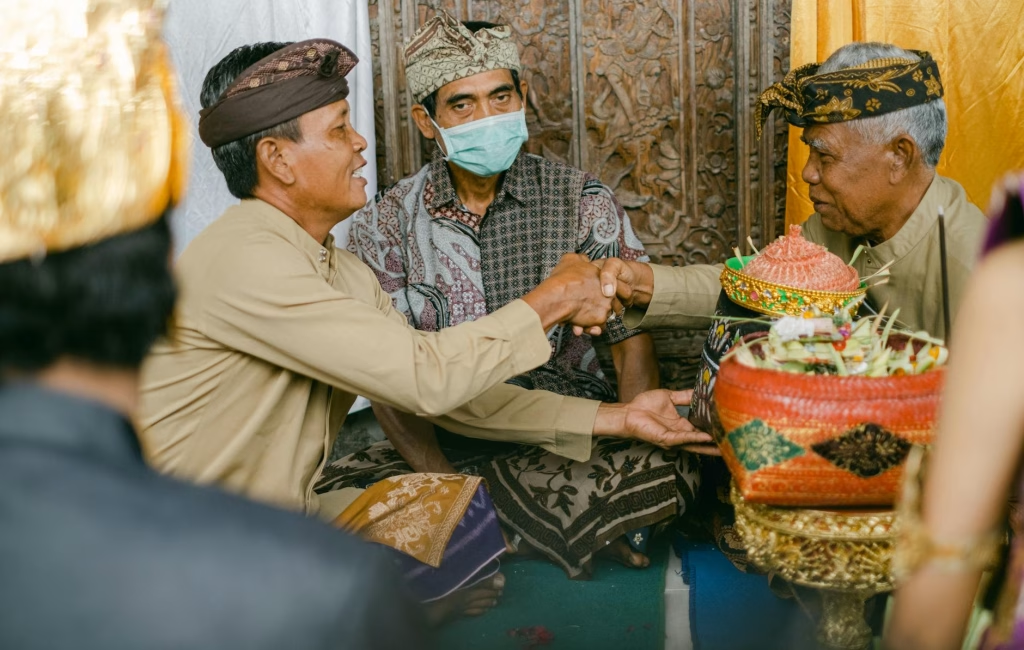
I love this time of year for one reason in particular: the festivals. The Galungan festival, which takes place in May, is a highlight of the island’s cultural calendar. The streets are decorated with intricate penjor, or offerings, and the air is filled with the scent of frangipani and incense. It’s a truly magical experience, and one that I never tire of.
So, When Should You Visit?
So, when should you visit Bali? Well, it depends on your preferences, of course. If you’re a beach lover, the dry season is the perfect time for you. If you’re a festival-goer, the May and June months are the way to go. And if you’re a bargain hunter, the wet season is the perfect time to score a deal on accommodation.
But if I’m being completely honest, my favorite time to visit Bali is during the shoulder season – April to May, and September to November. The weather is perfect, the festivals are in full swing, and the crowds are smaller than during the peak season. It’s the perfect time to explore the island without the chaos and crowds of the peak season.
Practical Tips
- Dress for the weather: The dry season can be hot, so don’t forget to pack light, breathable clothing. And during the wet season, bring a rain jacket and sturdy shoes to navigate the flooded streets.
- Book your accommodation in advance: During the peak season, accommodation rates skyrocket, and popular villas and hotels fill up quickly. Book your place in advance to avoid disappointment.
- Take advantage of the dry season’s festivals: The dry season is the perfect time to experience Bali’s vibrant festivals and cultural events. Don’t miss the Galungan festival in May, or the Ubud Food Festival in April.
- Explore the island’s many hidden gems: Bali is more than just the beaches and temples of Kuta and Seminyak. Explore the island’s many hidden gems, from the scenic coastal town of Lovina to the lush green landscapes of the Tegalalang rice fields.
FAQ
Q: What’s the best time to visit Bali?
A: It depends on your preferences, but I recommend visiting during the shoulder season – April to May, and September to November.
Q: Is Bali crowded during the peak season?
A: Yes, Bali is crowded during the peak season, but it’s also the perfect time to experience the island’s many festivals and cultural events.
Q: Can I still visit Bali during the wet season?
A: Absolutely! The wet season has its perks, from lower accommodation rates to lush green landscapes. Just be sure to pack accordingly and bring a rain jacket and sturdy shoes.