I still remember the smell of freshly baked nasi goreng wafting from the kitchen of a local warung in Ubud. It was my first time trying my hand at Balinese cooking, and I was hooked. Years later, I’ve had the pleasure of taking cooking classes all over the island, and I’ve learned that not all classes are created equal. In this post, I’ll share my honest opinion on the best cooking classes in Bali, and what you can expect to learn.
Real Recipes, Not Touristy Traps
Some cooking classes in Bali focus on teaching tourists how to make overpriced, tourist-friendly dishes that are more about style than substance. Not so at the classes I’ve listed below. These schools focus on teaching authentic Balinese and Indonesian recipes that you’ll actually want to cook at home.
One of my favorites is the Seniman Coffee Studio in Ubud. For IDR 250,000 (about $17 USD), you’ll learn how to make traditional Balinese coffee, as well as a few of the island’s signature dishes. The studio is run by a local chef who’s passionate about preserving Balinese culinary traditions, and it shows in the quality of the classes.
Hands-On Learning in Seminyak
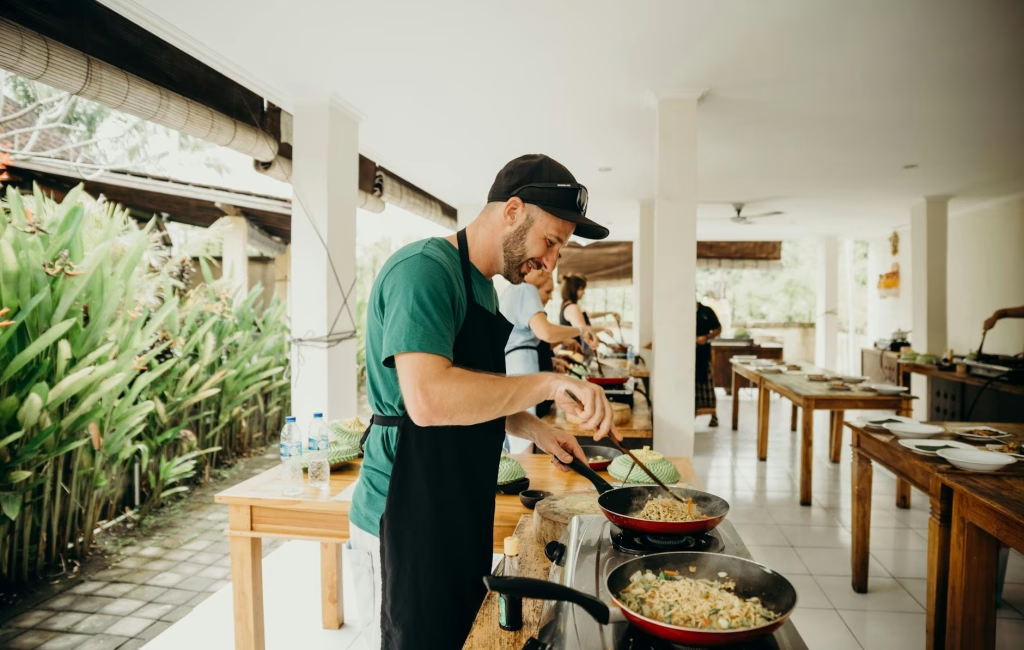
If you’re staying in Seminyak, consider taking a cooking class at the Bali Cooking Academy. For IDR 400,000 (about $27 USD), you’ll learn how to make a variety of Indonesian dishes, from nasi goreng to gado-gado. The academy is run by a local chef who’s been featured on food TV shows, and the classes are small and intimate, so you’ll get plenty of one-on-one attention.
Be sure to book your class in advance, as the academy is popular with tourists and locals alike. You’ll also want to be prepared to get your hands dirty – these classes are all about hands-on learning, and you’ll be cooking up a storm in no time.
Practical Tips for Taking Cooking Classes in Bali
- Book in advance**: Many cooking classes in Bali fill up quickly, especially during peak season. Be sure to book your class at least a week in advance to ensure availability.
- Bring a notebook and pen**: You’ll want to take notes on the recipes and techniques you learn, so be sure to bring a notebook and pen to class.
- Don’t be afraid to ask questions**: The chefs teaching these classes are passionate about cooking and want to share their knowledge with you. Don’t be afraid to ask questions or ask for clarification on a technique.
- Be prepared to eat a lot**: Let’s face it – cooking classes are all about eating, and you’ll want to make sure you have room for all the delicious food you’ll be making. Consider eating a light breakfast before class, and be prepared to make some sacrifices in the evening.
One of the best things about taking cooking classes in Bali is the opportunity to learn from local chefs who are passionate about preserving their culinary traditions. By taking a class, you’ll not only learn how to make delicious food, but you’ll also be supporting the local community and getting a glimpse into the island’s rich cultural heritage.
FAQs
Q: What’s the difference between a cooking class and a cooking workshop?
A: A cooking class usually focuses on teaching a specific set of recipes, while a cooking workshop is a more comprehensive experience that covers a range of topics, from knife skills to meal planning.
Q: Can I take a cooking class if I’m a vegetarian or have dietary restrictions?
A: Yes! Many cooking classes in Bali offer vegetarian and vegan options, and some even specialize in gluten-free or other dietary restrictions. Be sure to let the chef know in advance so they can accommodate your needs.
Q: Do I need to have any prior cooking experience to take a cooking class?
A: No! Cooking classes in Bali are designed for all skill levels, from beginners to experienced cooks. You’ll learn basic techniques and gain confidence in the kitchen.