Catching a Glance at Bali’s CCTV
It was a sweltering hot afternoon in Ubud when I stumbled upon a peculiar sight – a live feed of CCTV cameras streaming onto a giant screen in the town square. I was intrigued by the idea of witnessing the island’s daily life unfold before my eyes. As I watched, a motorbike zoomed past, followed by a group of laughing children playing in the street. It was a glimpse into the island’s rhythm, one that I’ve grown to love over the years.
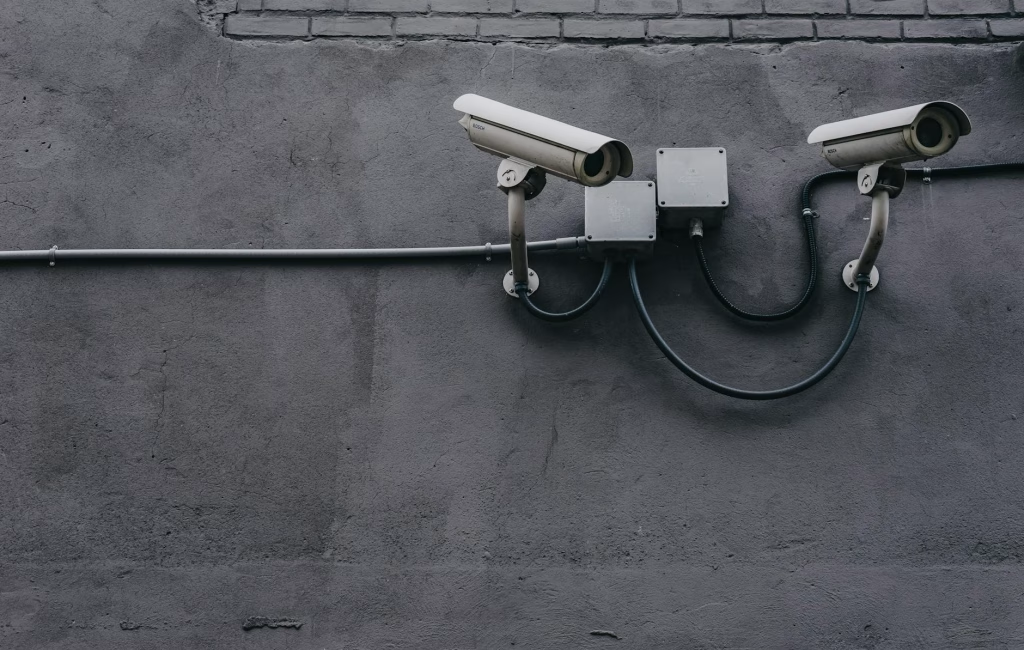
I’ve lived in Bali for years, and I’ve seen the island transform in ways both big and small. One thing that’s become omnipresent is the CCTV network. It’s hard to walk down a street without spotting a camera or two. But are these cameras a blessing or a curse? In this article, I’ll share my take on Bali’s CCTV, the good, the bad, and the ugly.
CCTV in Bali: A Brief History
The first CCTV cameras in Bali were installed in the early 2000s, primarily in tourist areas to boost security and deter petty crimes. Over the years, the network has expanded to cover most major roads, public spaces, and even some residential areas. Today, there are estimates of over 10,000 CCTV cameras island-wide.
While the intention behind installing CCTV cameras was to enhance security, I’ve noticed that it’s also become a form of public entertainment. In Ubud, for example, the live feed of CCTV cameras is displayed on a large screen in the town square, allowing visitors to catch a glimpse of the island’s daily life. It’s been a hit with tourists, who often gather around the screen to watch the action unfold.
The Good: Enhanced Security
One of the most obvious benefits of Bali’s CCTV network is enhanced security. With cameras installed in high-risk areas, such as tourist hotspots and financial districts, the island has seen a significant reduction in petty crimes like theft and vandalism. I’ve noticed that even the local police seem to take the CCTV network more seriously, often responding quickly to reported incidents.
Another advantage is the ability to monitor traffic flow and identify congested areas. This has led to improvements in traffic management, with the island’s authorities implementing measures to reduce congestion and improve air quality.
The Bad: Invasion of Privacy
While the CCTV network has its advantages, there are also concerns about invasion of privacy. Many residents feel that the cameras are intrusive, especially in residential areas where they’re installed without consent. I’ve spoken to locals who feel that the cameras are an affront to their personal space, and that they’re being watched without their permission.
Another issue is the lack of transparency around CCTV data collection and storage. There’s no clear policy on how the data is used, shared, or protected, leaving many wondering if their personal information is being compromised.
The Ugly: Corruption and Misuse
Unfortunately, the CCTV network in Bali has also been marred by corruption and misuse. In 2019, a report revealed that many of the cameras were not functioning properly, while others were being used for personal gain. Some cameras were even found to be focused on private properties, rather than public areas.
I’ve seen instances where CCTV footage has been used to harass or intimidate individuals, often for trivial reasons. In one case, a local resident was fined for parking in a no-parking zone, despite the CCTV footage showing that he had permission to park there. It’s a worrying trend that highlights the need for better regulation and oversight.
Practical Tips
- Know Your Rights: If you’re a resident or visitor, it’s essential to know your rights when it comes to CCTV cameras. Familiarize yourself with the island’s laws and regulations surrounding CCTV data collection and storage.
- Be Aware of Your Surroundings: While CCTV cameras can provide a sense of security, it’s still essential to be aware of your surroundings. Keep an eye out for suspicious activity, and don’t hesitate to report any incidents to the authorities.
- Support Local Initiatives: There are many local initiatives focused on promoting responsible CCTV usage and advocating for residents’ rights. Consider supporting these efforts by attending community meetings or volunteering your time.
- Use VPNs and Secure Your Devices: If you’re concerned about data security, consider using VPNs and securing your devices with strong passwords. This can help protect your personal information from being compromised by the CCTV network.
FAQs
Q: Are all CCTV cameras in Bali functioning properly? A: Unfortunately, no. Many cameras are not functioning correctly, and some are even out of order.
Q: Can I request for a CCTV camera to be installed in my area? A: Yes, you can submit a request to the local authorities, but be aware that there may be a lengthy process involved.
Q: How do I report a CCTV-related incident? A: You can report incidents to the local police or contact the island’s CCTV authorities directly.