The Island of Two Faces
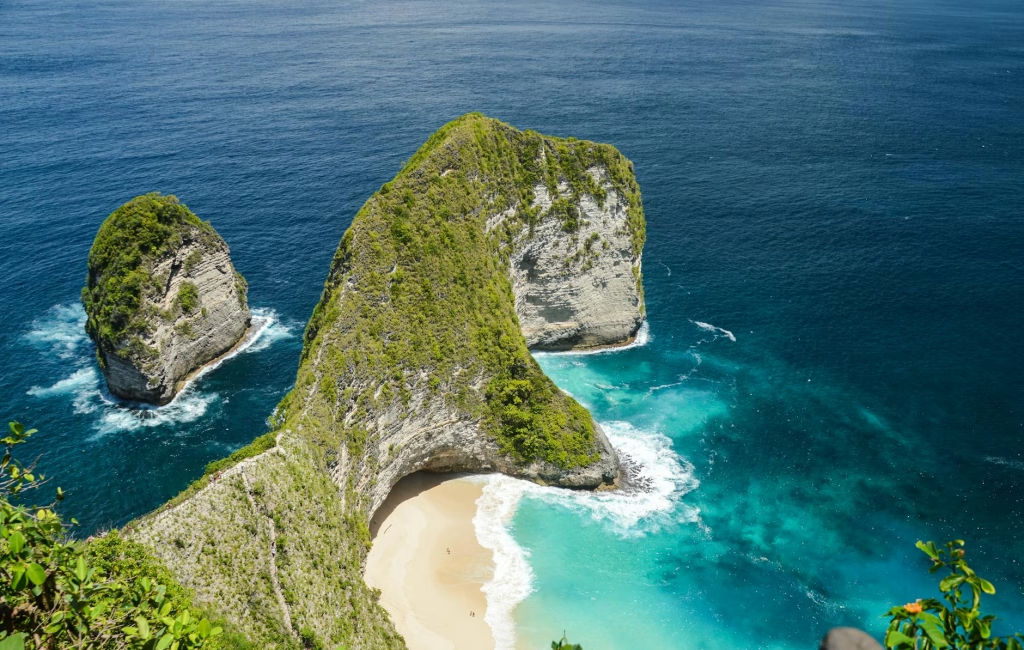
I’ve lived in Bali for years, and every time I talk to visitors, I feel a pang of guilt. They come here expecting the island of their Instagram feeds – sun-kissed beaches, lush green landscapes, and serene temples. But the truth is, Bali has two faces. The one they see is the polished, tourist-friendly version, with its gleaming resorts and bustling streets. The other is the one I see every day – the real Bali, with its chaotic traffic, cramped streets, and locals’ daily struggles. Don’t get me wrong; I love this island, but I want to give you a more honest picture.
Take, for instance, the famous Uluwatu Temple. It’s a stunning spot, perched on a cliff overlooking the Indian Ocean. But have you ever tried to get there during peak season? The roads are congested, the parking is a nightmare, and the tourists…oh, the tourists. They’re everywhere, snapping photos and blocking the view. I’m not saying it’s not worth visiting; it is. But be prepared for the chaos.
Now, let’s talk about the real Bali. The one that’s off the beaten path. The one that’s full of character and charm. I’m thinking of the tiny village of Ubud, with its narrow streets, quaint shops, and local markets. It’s the heart of Bali, where the island’s true culture and beauty shine through. And it’s not just Ubud; there are plenty of other hidden gems waiting to be explored.
Hotel Bali: The Good, the Bad, and the Ugly
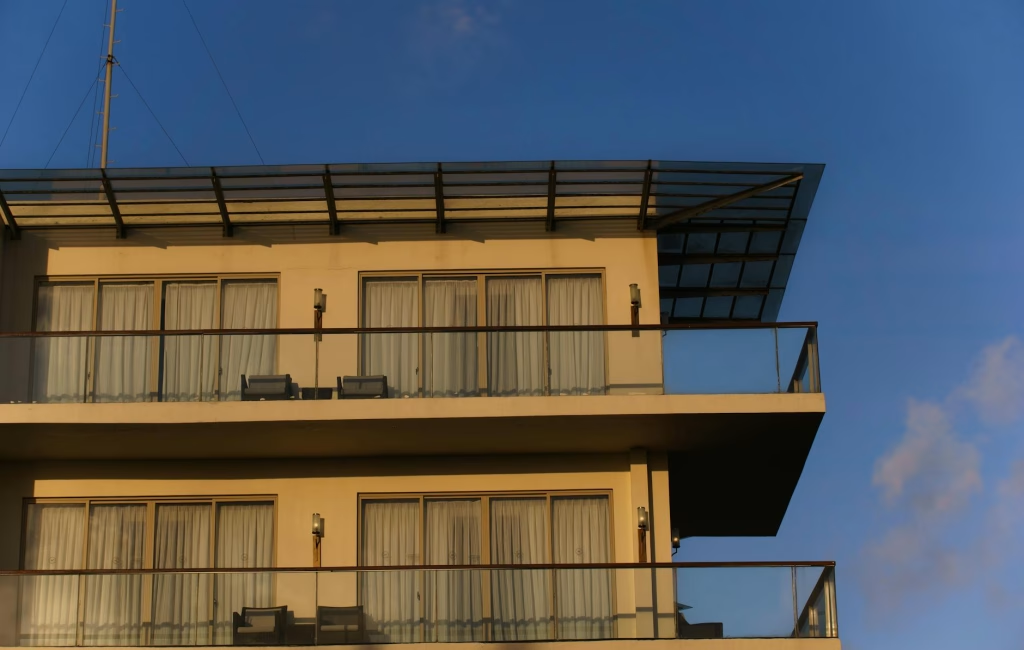
When it comes to hotels in Bali, the options are endless. You’ve got your luxury resorts, your boutique hotels, and your budget-friendly guesthouses. But which ones are worth your money? Let me tell you, I’ve stayed in my fair share of hotels in Bali, and I’ve got some opinions.
Take, for instance, the Alila Villas Uluwatu. It’s a stunning resort, perched on a cliff overlooking the ocean. The rooms are stylish, the pool is incredible, and the staff is friendly. But be prepared to pay for it – around 5 million IDR per night (that’s around $350 USD). It’s worth it, but only if you’re willing to splurge.
On the other hand, there’s the Griya Santrian. It’s a budget-friendly hotel in Kuta, with basic rooms starting from around 1.5 million IDR per night (around $100 USD). It’s not the Ritz, but it’s clean, comfortable, and in a great location. Plus, the staff is friendly, and the breakfast is decent. It’s a great option for those on a tighter budget.
But what about the worst hotels in Bali? Oh, there are plenty of those too. Take, for instance, the hotel in Kuta that shall remain nameless (but let’s just say it’s the one with the bright pink sign). It’s a dump, folks. The rooms are tiny, the staff is unfriendly, and the location is terrible. And the price? Around 2.5 million IDR per night (around $170 USD). Don’t even get me started.
Practical Tips for the Real Bali
- Learn some Indonesian. It may seem daunting, but trust me, it’s worth it. The locals will appreciate your effort, and you’ll be able to navigate the island like a pro.
- Use the local transportation. Taxis are expensive, and the traffic is a nightmare. Instead, use the local buses or grab, which are cheap and convenient.
- Eat at the local warungs. The food at the touristy restaurants is overpriced and bland. Instead, eat at the local warungs, which serve delicious and authentic Indonesian cuisine at a fraction of the cost.
- Explore the island on foot. Bali is a small island, and there’s no need to rent a car or take a taxi to get around. Instead, explore the island on foot, and discover the hidden gems that lie just off the beaten path.
FAQs
Q: What’s the best time to visit Bali? A: The dry season, from May to September, is the best time to visit Bali. The weather is sunny and dry, and the crowds are smaller.
Q: What’s the best way to get around Bali? A: The best way to get around Bali is by using the local transportation, such as buses or grab.
Q: What’s the best place to eat in Bali? A: The best place to eat in Bali is at the local warungs, which serve delicious and authentic Indonesian cuisine at a fraction of the cost.