Kalender Bali: A World of Its Own
As I sat sipping coffee on the balcony of my villa in Ubud, I couldn’t help but think about the island’s quirky calendar of events. Kalender Bali, as the locals call it, is a world of its own, where the sacred and the profane blend seamlessly. From the Gede Ogleng ceremony in the early morning hours to the Nyepi Day of Silence, each event is a reminder that life in Bali is a delicate balance of tradition and modernity.
I’ve lived in Bali for years, and I’ve seen firsthand how the island’s calendar of events can be both enchanting and overwhelming. As a traveler, it’s easy to get caught up in the island’s party scene, but there’s so much more to explore beyond the beaches and bars.
So, let’s dive into the world of Kalender Bali and explore its many wonders. From the sacred to the secular, we’ll take a journey through the island’s most fascinating events and experiences.
The Sacred and the Profane
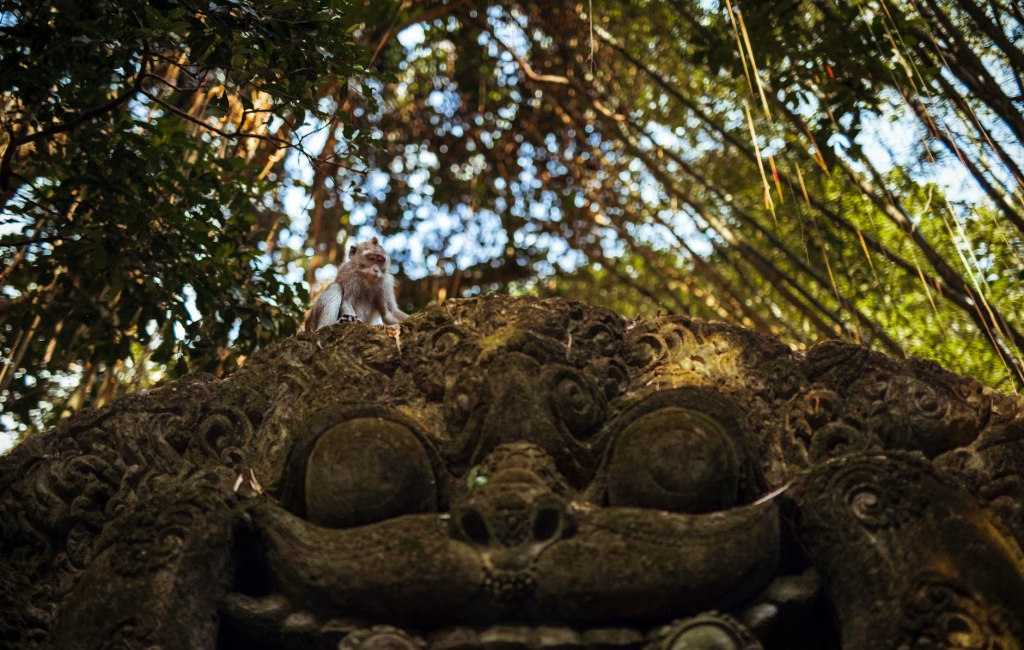
Bali’s calendar of events is a reflection of the island’s rich cultural heritage. From the temples to the festivals, each event is steeped in tradition and spirituality. The Gede Ogleng ceremony, for example, is a daily ritual that takes place at the Pura Dalem Agung Padangtegal temple in Ubud. The ceremony is a beautiful blend of Hinduism and Balinese culture, with intricate dances and offerings to the gods.
But Bali’s calendar of events isn’t all about the sacred. The island’s love of celebration and festivity is infectious, and there’s always something going on. From the Ubud Food Festival to the Bali Spirit Festival, each event is a chance to experience the island’s vibrant culture and meet like-minded travelers.
One of my favorite events is the Nyepi Day of Silence, which takes place in March. For 24 hours, the island comes to a standstill, and the only sound you’ll hear is the wind rustling through the palm trees. It’s a surreal experience that’s unlike anything you’ll find elsewhere in the world.
The Party Scene
Bali’s party scene is legendary, and for good reason. From the clubs in Kuta to the beach parties in Seminyak, there’s always something going on. But as a local, I’ve seen the party scene get a little out of hand. The noise, the crowds, the litter – it’s all taking a toll on the island’s environment and its people.
That being said, if you’re looking for a wild time, Bali’s got it in spades. The island’s club scene is some of the best in Asia, and the beach parties are the stuff of legend. Just be sure to respect the island’s rules and regulations, and don’t overdo it – we don’t want you ending up like me, with a pounding headache and a wallet that’s lighter than a Balinese dancer’s skirt.
One of my favorite party spots is the Ulu Cliffhouse in Uluwatu. This place is a game-changer, with its cliffside location and stunning views of the Indian Ocean. But be warned – it’s not for the faint of heart. The crowds can get intense, and the prices are steep. But hey, if you’re looking to splurge, this is the place to do it.
Practical Tips
So, how do you navigate the complex world of Kalender Bali? Here are a few practical tips to get you started:
- Download the Bali Guide app – this app is a lifesaver, with its comprehensive guide to the island’s events and festivals.
- Be respectful – Bali is a sacred island, and its people take their traditions seriously. Be sure to dress modestly, remove your shoes when necessary, and don’t litter.
- Try the local food – Bali’s cuisine is some of the best in Asia, with its delicious nasi goreng and fresh seafood. Be sure to try some of the local specialties, like the famous Babi Guling.
- Get off the beaten path – while the party scene in Kuta and Seminyak is fun, it’s also touristy. Try exploring some of the island’s lesser-known areas, like the town of Canggu or the beaches of Nusa Dua.
My Take on Kalender Bali
Kalender Bali is a world of its own, full of wonder and excitement. From the sacred to the secular, each event is a chance to experience the island’s rich cultural heritage. But as a local, I’ve also seen the island’s party scene get a little out of hand. So, my advice is to explore the island’s lesser-known areas, try the local food, and be respectful of the island’s traditions. And if you’re looking for a wild time, well, you know where to go.