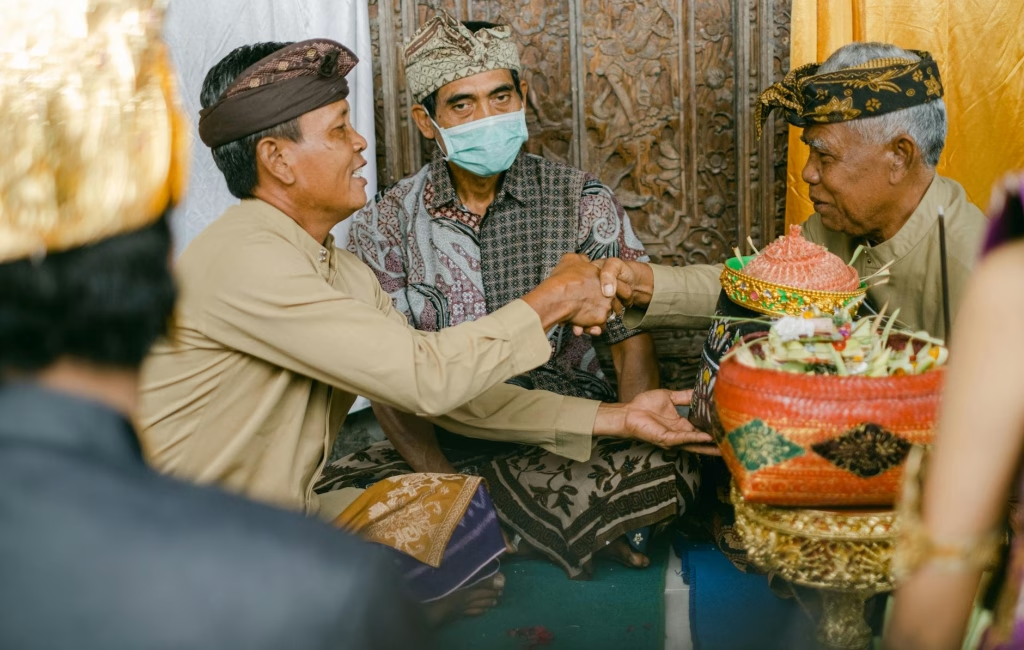
I still remember the first time I tried to order food in a warung in Ubud. The vendor, a kind-eyed woman with a warm smile, looked at me with confusion as I struggled to pronounce ‘nasi goreng’ correctly. It was a humbling experience, but it marked the beginning of my journey to learn Bahasa Bali, the language of the island that has become my home.
As a long-time resident of Bali, I’ve had the privilege of immersing myself in the local culture, and learning the language has been a key part of that experience. But it’s not just about communicating with the locals – learning Bahasa Bali has also given me a deeper appreciation for the island’s history, customs, and way of life.
So, if you’re planning to visit Bali, I highly recommend taking the time to learn a few basic phrases in Bahasa Bali. Not only will it make your interactions with the locals more enjoyable, but it’ll also give you a unique perspective on the island’s culture. In this article, I’ll share some practical tips and insights on learning Bahasa Bali, as well as some of my favorite places to practice your skills.
Learning Bahasa Bali: Where to Start
The first step in learning Bahasa Bali is to understand the basics of the language. Bahasa Bali is a Austronesian language, closely related to Javanese and Sundanese. It’s a tonal language, which means that the pitch and intonation of words can change their meaning. For example, the word ‘saya’ (I) can become ‘sae’ (I am) or ‘saya’ (I am not) depending on the tone used.
One of the best resources for learning Bahasa Bali is the ‘Bahasa Bali for Beginners’ app, which offers a comprehensive course with lessons, audio recordings, and interactive exercises. You can also find many online language courses and YouTube tutorials that offer more in-depth lessons and explanations.
Another great way to learn Bahasa Bali is to take a language class with a local instructor. I highly recommend the language school in Ubud, which offers classes for all levels and ages. The instructors are patient, knowledgeable, and passionate about sharing their culture with foreigners.
Practical Tips for Learning Bahasa Bali
Here are a few practical tips that I’ve found helpful in learning Bahasa Bali:
- Practice with locals: The key to learning Bahasa Bali is to practice with locals as much as possible. Try to speak with vendors, shopkeepers, and taxi drivers in their native language. They’ll appreciate your effort and be happy to help you improve your skills.
- Listen to local music: Bahasa Bali is often used in traditional music and dance performances. Listening to local music can help you get a feel for the rhythm and intonation of the language.
- Watch local TV shows: Watching local TV shows can give you a glimpse into the daily lives of Balinese people and help you learn new vocabulary and phrases.
- Use flashcards: Flashcards can be a helpful tool for memorizing new vocabulary and phrases. Try to create your own flashcards using index cards or apps like Anki.
Where to Practice Your Bahasa Bali Skills
Here are a few of my favorite places to practice your Bahasa Bali skills:
Ubud Market: The Ubud Market is a great place to practice your Bahasa Bali skills with vendors and shopkeepers. Try to haggle for prices and ask for recommendations on local products.
Warung Ibu: Warung Ibu is a small warung in Ubud that serves delicious nasi goreng and other local dishes. The owner, Ibu Wayan, is a kind and patient language teacher who’ll be happy to help you practice your Bahasa Bali skills.
Ubud Royal Palace: The Ubud Royal Palace is a historic site that offers a glimpse into the island’s rich cultural heritage. Try to visit during the day and practice your Bahasa Bali skills with the local guides and staff.
Overrated and Underappreciated
As a long-time resident of Bali, I’ve seen my fair share of overrated and underappreciated places. Here are a few of my opinions:
Uluwatu Temple: While Uluwatu Temple is a beautiful and historic site, I find it to be overrated and overcrowded. Try to visit during the early morning or late evening to avoid the crowds.
Bali Safari Park: The Bali Safari Park is a fun and educational attraction, but I find it to be overpriced and underwhelming. Try to visit during the off-season or look for discounts and promotions.
Sanur Beach: Sanur Beach is a beautiful and tranquil beach that’s often overlooked by tourists. Try to visit during the morning or late evening to avoid the crowds.
Personal Take
Learning Bahasa Bali has been a life-changing experience for me. Not only has it given me a deeper appreciation for the island’s culture, but it’s also helped me connect with the locals on a more meaningful level. If you’re planning to visit Bali, I highly recommend taking the time to learn a few basic phrases in Bahasa Bali. It’ll make your interactions with the locals more enjoyable, and it’ll give you a unique perspective on the island’s culture.
FAQs
Q: Is Bahasa Bali easy to learn?
A: Bahasa Bali is a tonal language, which can make it challenging to learn. However, with practice and patience, you can become proficient in the language.
Q: Can I learn Bahasa Bali on my own?
A: Yes, you can learn Bahasa Bali on your own with the help of language courses, apps, and online resources. However, taking a language class with a local instructor can be a more effective and enjoyable way to learn the language.
Q: Are there any language schools in Bali that offer Bahasa Bali courses?
A: Yes, there are several language schools in Bali that offer Bahasa Bali courses. I highly recommend the language school in Ubud, which offers classes for all levels and ages.
Tags: Bahasa Bali, Language, Culture, Indonesia, Bali
Categories: Travel, Tips, Culture, Language