I still remember the day I first arrived in Ubud, Bali, in 2010. It was the start of the dry season, and the sky was a piercing blue. The air was dry and hot, but the scent of frangipani and incense wafted through the streets, making everything feel magical. Fast forward to now, and I’ve seen my fair share of monsoons, droughts, and everything in between. As a local, I’ve learned to navigate Bali’s unpredictable weather, and I’m excited to share my insights with you.
Understanding Bali’s Climate
Bali’s climate is divided into two main seasons: the dry season (May to September) and the wet season (October to April). The dry season is characterized by clear skies, warm temperatures, and low humidity. It’s the perfect time to explore the island, hike up volcanoes, and enjoy the beautiful beaches. The wet season, on the other hand, is marked by frequent rain showers, high humidity, and cooler temperatures. While it may not be the most ideal time to visit, it’s still a great opportunity to explore the island’s lush green landscapes and enjoy the cooler weather.
One of the most important things to understand about Bali’s weather is the concept of the ‘monsoon season.’ While it’s not as intense as in other parts of Asia, Bali still experiences a significant amount of rainfall during this time. The monsoon season typically starts in November and lasts until March, with the heaviest rainfall occurring in December and January. If you’re planning to visit during this time, be sure to pack accordingly and stay up-to-date with local weather forecasts.
Regional Weather Patterns
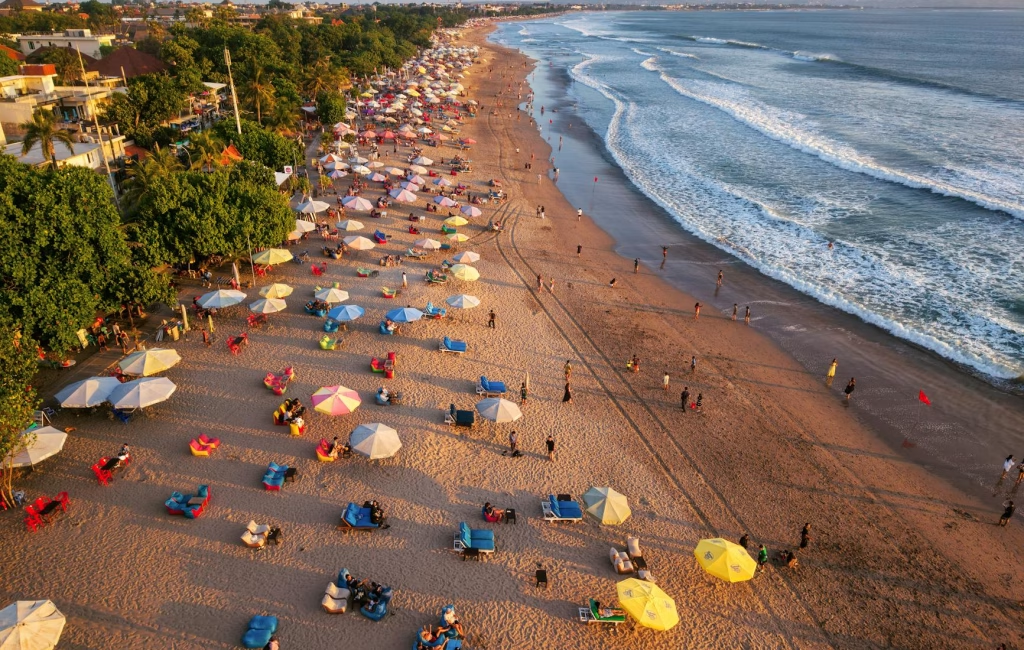
Bali is a long, thin island, and the weather patterns vary significantly from north to south. The north coast, particularly around Lovina and Pemuteran, tends to be cooler and wetter than the rest of the island. This is due to the prevailing wind patterns and the surrounding mountains, which create a rain shadow effect. The south coast, on the other hand, is generally warmer and drier, making it a popular destination for surfers and sun-seekers.
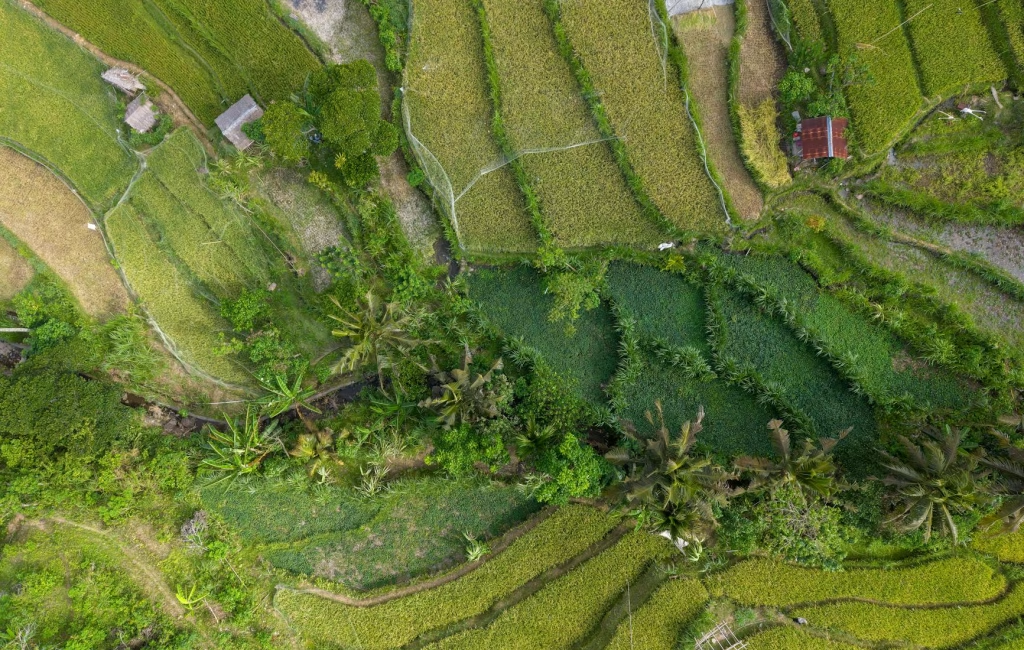
One of the best things about Bali is its diverse geography. From the volcanic mountains of Kintamani to the lush rice fields of Ubud, each region has its unique weather patterns. For example, the highlands of Bedugul are known for their cool and misty climate, while the beaches of Seminyak are famous for their warm and sunny weather. Understanding these regional patterns will help you plan your trip more effectively and make the most of your time on the island.
Practical Tips
As a local, I’ve learned a thing or two about navigating Bali’s weather. Here are a few practical tips to keep in mind:
- Bring an umbrella: While it may not be the most glamorous accessory, an umbrella is a must-have in Bali, especially during the wet season. You can find them for sale at most warungs and markets for around 10,000 IDR ( approx. $0.70 USD).
- Stay hydrated: Bali’s dry season can be brutal, especially in the sun. Make sure to drink plenty of water and avoid dehydration. You can find bottled water at most convenience stores for around 5,000 IDR (approx. $0.35 USD).
- Check the forecast: While Bali’s weather can be unpredictable, it’s still a good idea to check the forecast before heading out. You can find local weather forecasts on websites like Wunderground or on apps like AccuWeather.
- Be prepared for rain: Bali’s rain showers can be intense, so it’s a good idea to pack a lightweight rain jacket or poncho. You can find them for sale at most outdoor gear stores for around 50,000 IDR (approx. $3.50 USD).
Overrated and Under-Rated
As a local, I’ve seen my fair share of tourists flocking to Bali’s most popular destinations. While they may be worth visiting, I’ve found that they’re often overrated and overhyped. Here are a few of my favorites:
Overrated: Uluwatu Temple. While it’s a beautiful temple, I’ve found that it’s often crowded and commercialized. Instead, try visiting the nearby Taman Ayun Temple, which is just as beautiful and less touristy. (Entrance fee: 15,000 IDR / approx. $1 USD)
Under-Rated: The town of Amlapura. Located in the east of the island, Amlapura is a charming town with a rich history and culture. It’s also home to the beautiful Besakih Temple, which is the largest and most sacred temple in Bali. (Entrance fee: 30,000 IDR / approx. $2.10 USD)
FAQs
Here are a few frequently asked questions about Bali’s weather:
- Q: What’s the best time to visit Bali? A: The dry season (May to September) is the best time to visit Bali, with clear skies, warm temperatures, and low humidity.
- Q: What’s the monsoon season like in Bali? A: Bali’s monsoon season typically starts in November and lasts until March, with the heaviest rainfall occurring in December and January.
- Q: Can I surf in Bali year-round? A: While Bali’s surf season is from April to September, it’s best to avoid surfing during the wet season, as the waves are often rough and unpredictable.
Personal Take
Bali’s weather may be unpredictable, but it’s also one of the island’s most captivating aspects. From the dry season’s clear skies to the wet season’s lush green landscapes, there’s always something new to discover. As a local, I’ve learned to appreciate the beauty of Bali’s weather, and I hope that this guide has helped you do the same.