My First Encounter
It was on a sweltering afternoon in Ubud, strolling down Jalan Raya Ubud, that I first heard the melodic tones of Bahasa Bali. I was lost in the narrow alleys of the Monkey Forest area, trying to find a local café that served the best nasi goreng in town. As I stopped to ask for directions, a friendly local woman approached me and greeted me with ‘Selamat pagi, pak!’ (good morning, sir). I smiled and replied with ‘Selamat pagi,’ but she chuckled and said, ‘No, no, you need to say ‘Selamat pagi, ibu!’ (good morning, madam). I was taken aback, realizing I had just made a cultural faux pas.
As I continued my journey through Bali, I noticed that many locals would speak to me in Bahasa Indonesia, but with a twist. They would use Balinese words and phrases, which sounded like music to my ears. It was as if the island had its own secret language, and I was determined to learn it.
Bahasa Bali 101
Bahasa Bali, also known as Basa Bali, is the official language of Bali and is spoken by over 3 million people on the island. It’s a member of the Austronesian language family and is closely related to Javanese and Sundanese. The language has its own unique script, called Aksara Bali, which is used to write and read the language.
One of the most interesting things about Bahasa Bali is its use of local words and phrases. For example, ‘Selamat pagi’ is a common greeting, but you’ll also hear ‘Om swastiastu’ (good morning), ‘Om shanti’ (good evening), and ‘Om mantra’ (goodbye). The language is also known for its poetic expressions, such as ‘Sawarga’ (beautiful) and ‘Sangat’ (great).
Practical Tips
- Learn the basics: Start with basic phrases like ‘Selamat pagi’ (good morning), ‘Terima kasih’ (thank you), and ‘Maaf’ (excuse me). You can find many language apps and websites that offer Bahasa Bali lessons.
- Pay attention to local expressions: Pay attention to how locals use Bahasa Bali in everyday conversations. You’ll pick up on many local expressions and phrases, like ‘Sawarga’ (beautiful) and ‘Sangat’ (great).
- Use the local script: While many Balinese people speak Bahasa Indonesia, they also use the Aksara Bali script to write and read the language. You can find many books, signs, and billboards written in Aksara Bali.
- Practice with locals: Don’t be afraid to practice your Bahasa Bali with locals. They’ll appreciate your effort, and you’ll get to experience the language in a more authentic way.
Overrated and Underappreciated
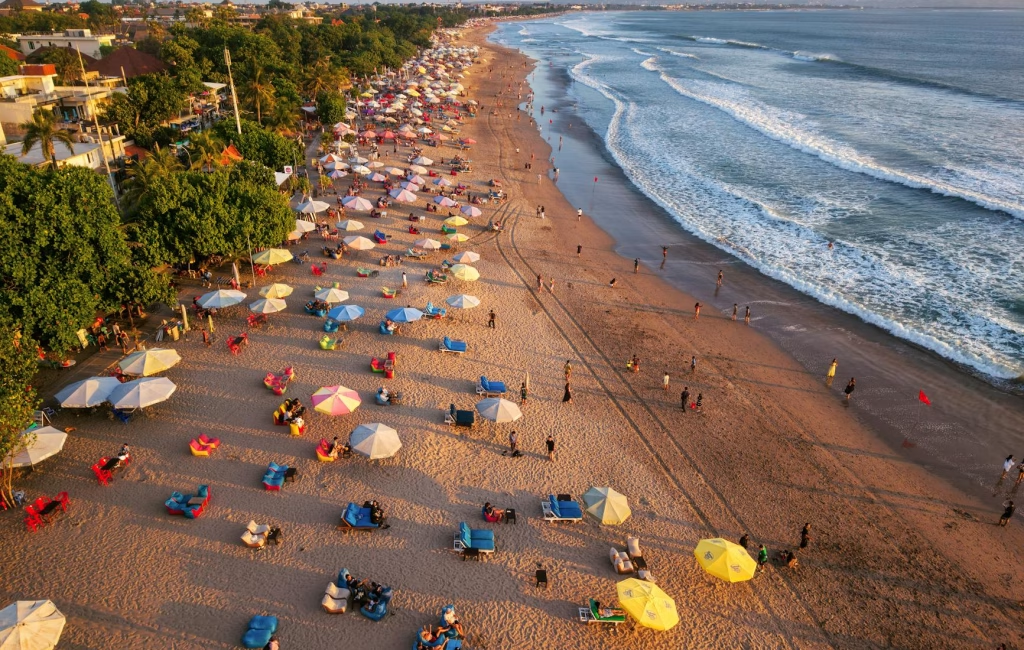
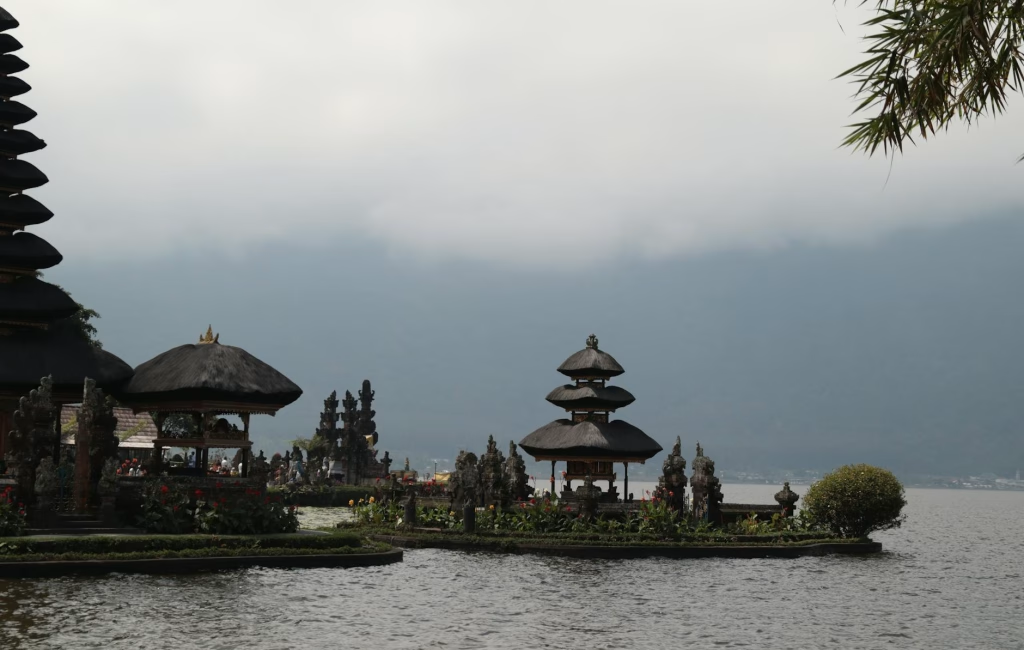
As a local, I’ve seen many tourists visit Bali and only stick to the main tourist areas. They miss out on the real Bali, the one that’s hidden in the villages, markets, and local communities. Don’t get me wrong, the beaches and temples are beautiful, but they’re not the only things Bali has to offer.
One of the most overrated things in Bali is the Ubud Monkey Forest. While it’s a great place to see monkeys, it’s often crowded and overpriced (IDR 50,000 per person). Instead, visit the local markets and villages, like the ones in Gianyar and Tabanan. You’ll find authentic local food, beautiful handicrafts, and a glimpse into the real Bali.
On the other hand, one of the most underappreciated things in Bali is the local cuisine. While many tourists stick to Western food, there’s a whole world of delicious local dishes to try. From nasi goreng to satay, and from fresh coconuts to exotic fruits, Bali has a culinary scene that’s waiting to be discovered.
FAQs
- Q: Is Bahasa Bali easy to learn?
A: Bahasa Bali is a challenging language to learn, but with practice and dedication, you can pick it up. Start with basic phrases and expressions, and practice with locals. - Q: Can I use Bahasa Indonesia in Bali?
A: Yes, many Balinese people speak Bahasa Indonesia, but using Bahasa Bali will make your experience more authentic and enjoyable. - Q: Are there any language schools in Bali?
A: Yes, there are many language schools and cultural centers in Bali that offer Bahasa Bali lessons and cultural immersion programs.
My Take
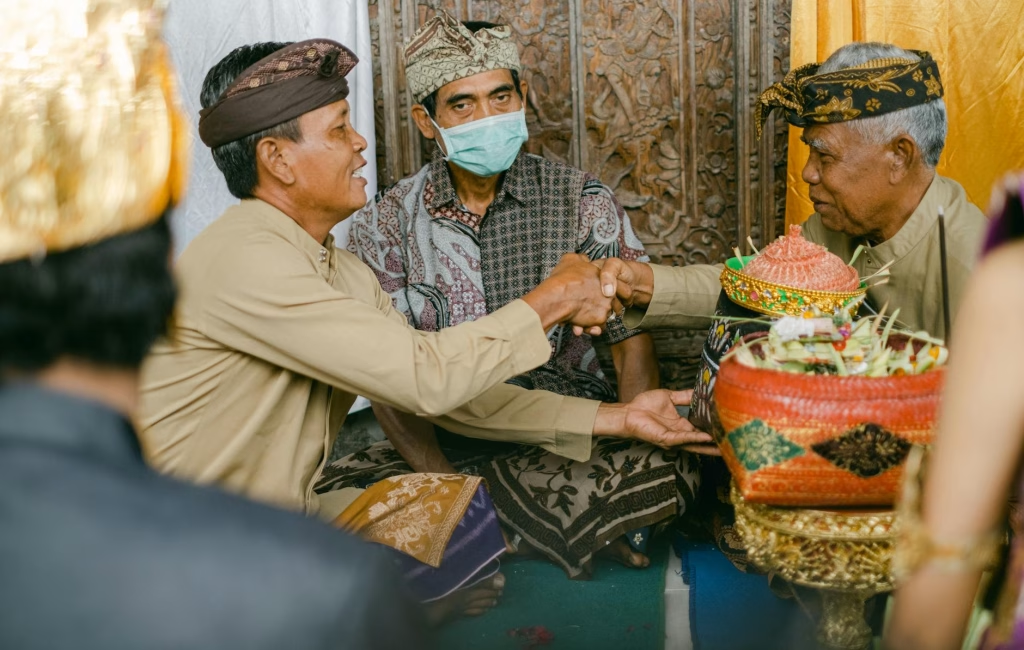
Bahasa Bali is more than just a language – it’s a window into the culture, history, and soul of Bali. As a local, I’m proud to share my language and culture with visitors, and I hope that by learning Bahasa Bali, you’ll experience the real Bali, not just the touristy version.