My First Encounter with Kalender Bali
It was a balmy evening in Ubud, and I was wandering through the streets of Jalan Raya Ubud, looking for a local eatery to try some authentic nasi goreng. As I turned a corner, I stumbled upon a small, unassuming shop with a faded sign that read ‘Kalender Bali.’ I had heard whispers about this place, but never gave it much thought. Little did I know, I was about to embark on an unforgettable journey through the intricacies of Balinese culture.
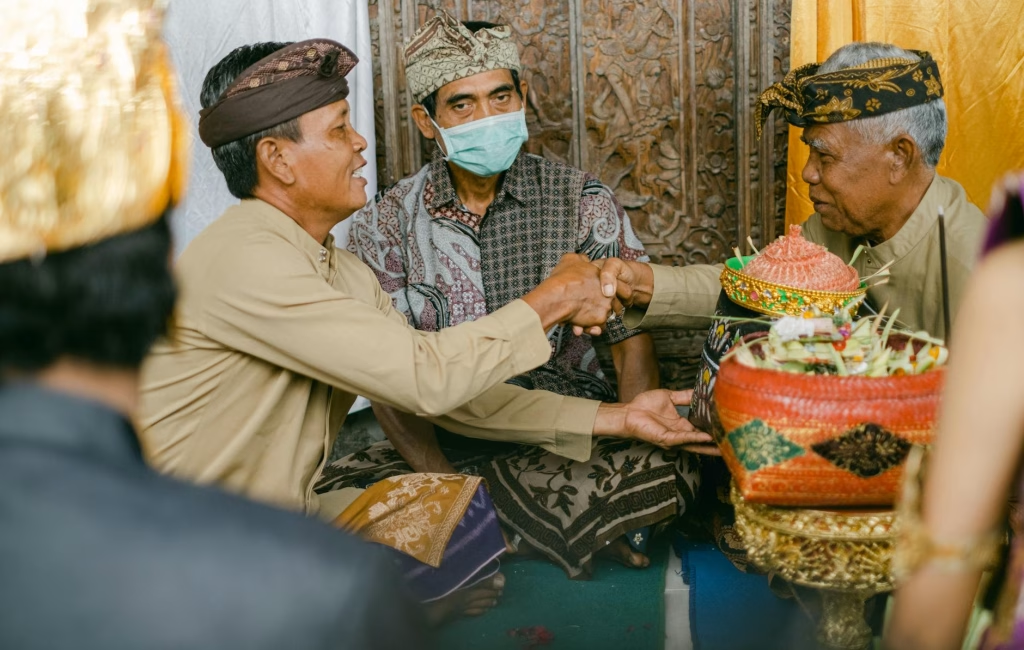
The shop’s owner, an elderly man with a kind smile, greeted me warmly and invited me to sit down. As I sipped on a glass of fresh coconut water, he began to explain the concept of Kalender Bali. Essentially, it’s a traditional Balinese calendar system that dates back to the 14th century. The calendar is made up of 12-month cycles, each with its own unique characteristics, rituals, and ceremonies.
A Brief History of Kalender Bali
The origins of Kalender Bali can be traced back to the Majapahit Empire, which ruled over the island from the 13th to the 15th century. The calendar was created to harmonize the cycles of nature, the human body, and the cosmos. It’s a complex system that takes into account the movements of the stars, planets, and the lunar cycle. The calendar is divided into three main sections: the Galungan cycle, the Ngembak Geni cycle, and the Kuningan cycle.
Each cycle has its own set of rituals and ceremonies, which are meant to promote balance and harmony within the community. The Galungan cycle, for example, is a 30-day cycle that begins with the Galungan festival, a celebration of the victory of dharma (good) over adharma (evil). The cycle is marked by the construction of elaborate offerings, known as penjor, which are placed along the streets and roads.
Practical Tips for Exploring Kalender Bali
- Attend a Galungan festival: If you’re in Bali during the Galungan cycle, make sure to attend one of the many festivals taking place throughout the island. It’s a once-in-a-lifetime experience that will give you a glimpse into the spiritual and cultural practices of the Balinese people.
- Visit the Tirtha Empul temple: Located in Tampaksiring, this temple is a sacred site for the Balinese people. It’s here that you’ll find the famous Tirta Empul spring, which is believed to have healing properties. The temple is a must-visit during the Galungan cycle, as it’s a major pilgrimage site.
- Take a cooking class: Learn how to prepare traditional Balinese dishes, such as nasi goreng and satay, at a local cooking class. Not only will you learn about the local cuisine, but you’ll also gain insights into the cultural significance of food in Balinese culture.
- Respect the local customs: When attending a festival or visiting a temple, be sure to dress modestly and respect the local customs. Remove your shoes before entering a temple, and avoid taking photos during sacred ceremonies.
Overrated and Underappreciated Aspects of Kalender Bali
While Kalender Bali is an incredible aspect of Balinese culture, there are some aspects that are often overrated or underappreciated. For example, the famous Ubud Food Festival, which takes place every year, is often touted as a must-attend event. However, I’ve found that it’s more of a tourist trap, with overpriced food and mediocre service. Instead, try visiting local eateries and trying their authentic dishes.
Another aspect that’s often underappreciated is the local artisans who create intricate offerings and decorations for the Galungan festival. These artisans spend hours perfecting their craft, and their work is truly a testament to the beauty and precision of Balinese culture. Next time you’re in Ubud, be sure to visit the local markets and support these talented artisans.
Personal Take
Kalender Bali is more than just a calendar system – it’s a way of life. It’s a reminder that we’re all connected to the natural world and that our actions have consequences on the world around us. As a local, I’ve had the privilege of experiencing Kalender Bali firsthand, and I can attest to its beauty and significance. If you ever find yourself in Bali, take the time to explore this incredible aspect of Balinese culture. You won’t regret it!