My First Encounter with a Balinese Cremation Ceremony
I still remember the day I first witnessed a Balinese cremation ceremony in Ubud. It was a hot and humid afternoon, and I was sitting at a local warung, sipping a cold Bintang beer, when I heard the unmistakable sounds of Gamelan music and chanting coming from the nearby road. Curious, I got up to investigate and was immediately drawn into the vibrant spectacle unfolding before my eyes.
As I watched, a procession of elaborately decorated vehicles, adorned with flowers, fruits, and offerings, made its way through the streets, accompanied by hundreds of mourners and musicians. The air was thick with incense, and the smell of burning wood and spices wafted through the air, transporting me to a world both ancient and timeless.
It was a truly humbling experience, and one that left a lasting impression on me. As someone who has called Bali home for years, I’ve had the privilege of witnessing many cremation ceremonies, each one a unique and poignant expression of Balinese culture and tradition.
Understanding the Significance of Cremation in Balinese Culture
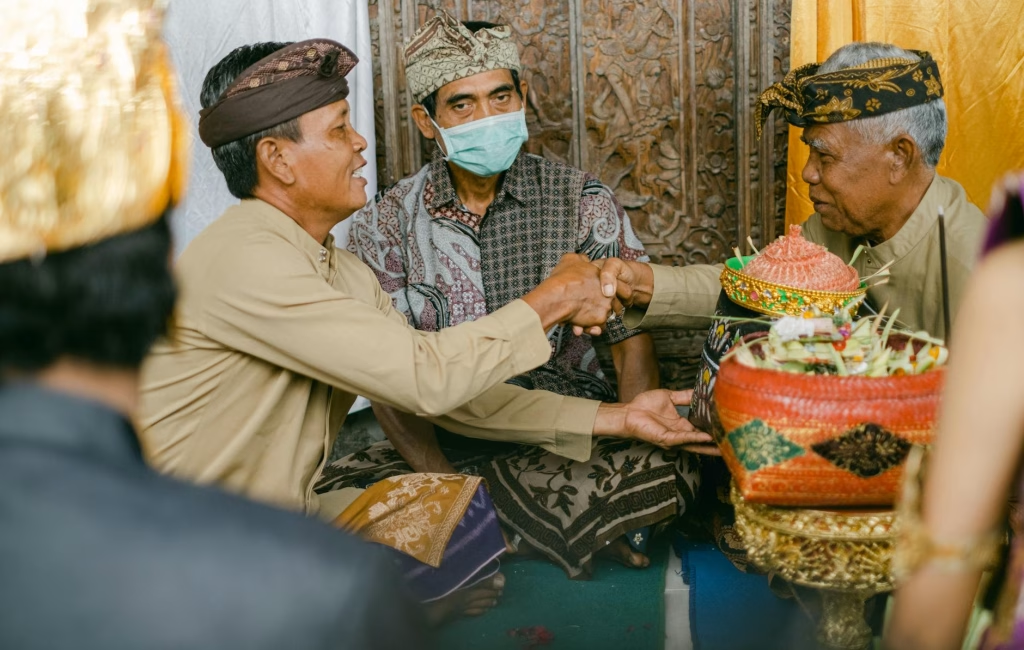
In Balinese Hinduism, cremation is a sacred ritual that marks the transition of the deceased from one life to the next. It’s a time for mourning and celebration, as the community comes together to bid farewell to the departed and welcome them into the afterlife.
Preparations for a cremation ceremony can take weeks or even months, with families carefully selecting and preparing the wooden funeral pyre, as well as the elaborate costumes and decorations that adorn the vehicles and the deceased.
For the Balinese, cremation is not just a goodbye, but a new beginning, and one that’s filled with hope and anticipation for the soul’s journey ahead.
Behind the Scenes: What to Expect During a Cremation Ceremony
As a spectator, you can expect to be mesmerized by the vibrant colors, sounds, and smells of the ceremony. Be prepared to be swept up in the emotional tide of the proceedings, as the mourners and musicians come together to pay their respects to the deceased.
Keep in mind that cremation ceremonies can take place at any time of day or night, and may involve lengthy processions through the streets. Be respectful of the local community and any road closures that may be in place.
It’s also worth noting that some cremation ceremonies may be more elaborate than others, depending on the family’s social status and the deceased’s position in society. For example, the cremation of a high-ranking priest or government official may involve a more elaborate and expensive ceremony.
Practical Tips for Witnessing a Cremation Ceremony
- Be respectful and discreet: Avoid taking photos or videos of the ceremony, and be mindful of your surroundings and the local community.
- Follow local customs: Dress modestly and remove your shoes when entering temples or homes.
- Be prepared for the unexpected: Cremation ceremonies can be unpredictable, so be flexible and prepared for any eventuality.
- Support local businesses: Consider visiting local warungs or cafes during the ceremony to support the local community.
My Personal Take on Cremation Ceremonies in Bali
For me, witnessing a cremation ceremony in Bali is always a poignant reminder of the island’s rich cultural heritage and the importance of tradition in Balinese life.
It’s a time for reflection and contemplation, as we come together to bid farewell to the deceased and celebrate the cycle of life that connects us all.
As someone who’s witnessed many cremation ceremonies in Bali, I can attest to the fact that each one is a unique and unforgettable experience that leaves a lasting impact on the soul.